Most people associate sleep apnea with middle-aged adults who snore loudly enough to wake the neighbors. However, obstructive sleep apnea (OSA) isn’t exclusively an adult problem. It affects children too, and the signs are often surprisingly different from what you might expect.
At Best Sleep Today in Grapevine, TX, Dr. Scott Mason has developed a passion for helping patients reclaim their quality of life through better sleep. While much of the conversation around sleep apnea focuses on adults, recognizing and treating this condition in children is crucial for their development, health, and happiness.
Can Children Really Have Sleep Apnea?
The short answer is yes. Just like adults, children can suffer from airway obstructions that interrupt breathing during sleep. When a child stops breathing for even a few seconds, their brain rouses them from deep sleep to restart the airflow. This prevents them from getting the restorative rest their growing bodies and brains desperately need.
For many children, enlarged tonsils and adenoids are the primary culprits. These tissues can block the airway when the throat muscles relax during sleep. However, the structure of the jaw and mouth also plays a significant role.
The Hidden Signs: It’s Not Just Snoring
While loud snoring or gasping for air are classic red flags, children often manifest sleep deprivation in unique ways. Parents are frequently shocked to learn that behavioral issues they’ve struggled with for years are actually symptoms of poor sleep breathing.
ADHD-Like Behavior
Sleep-deprived adults get tired; sleep-deprived kids get hyperactive. A child who is constantly fidgeting, unable to focus, or acting impulsively may not have ADHD. They might just be exhausted. Before starting medication for attention deficits, it is often wise to rule out a sleep disorder.
Bedwetting
If your child is past the age where bedwetting is common but still has accidents at night, sleep apnea could be a factor. When the body fights to breathe, it produces hormones that signal the kidneys to produce more urine, leading to bedwetting.
Poor School Performance
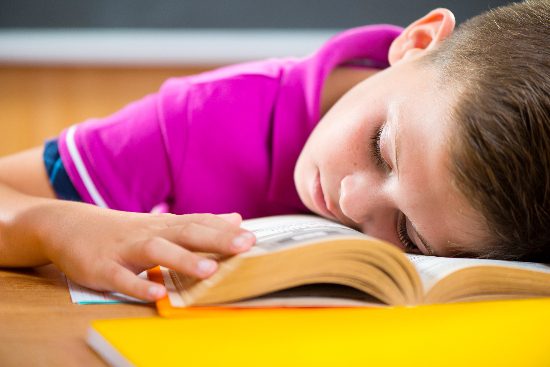
Does your bright child struggle to keep up in class? Fragmented sleep affects cognitive function, memory consolidation, and emotional regulation. Improving sleep quality often leads to a dramatic turnaround in grades and behavior at school.
Other Red Flags to Watch For
- Sleeping in unusual positions (like with the neck hyperextended)
- Breathing through the mouth rather than the nose
- Night terrors or frequent sleepwalking
- Morning headaches
- Difficulty waking up for school
How We Can Help
Seeing your child struggle is heartbreaking, especially when the cause isn’t obvious. Dr. Mason specializes in customized treatment plans that address the root cause of sleep disordered breathing.
For many pediatric patients, treatment might involve collaboration with an ENT to address tonsils and adenoids. However, Dr. Mason also utilizes customized oral appliances designed to guide the growth of the jaw and keep the airway open. These non-invasive solutions can be life-changing.
If you notice any of these signs in your child, don’t wait. Early intervention can alter the trajectory of their health and development. Schedule a consultation with Dr. Scott Mason at Best Sleep Today to see if a customized treatment plan can help your child—and your whole family—finally get a good night’s sleep.
Best Sleep Today
801 W Wall St, Suite 100 Grapevine, TX 76051
Phone: 817-623-9699