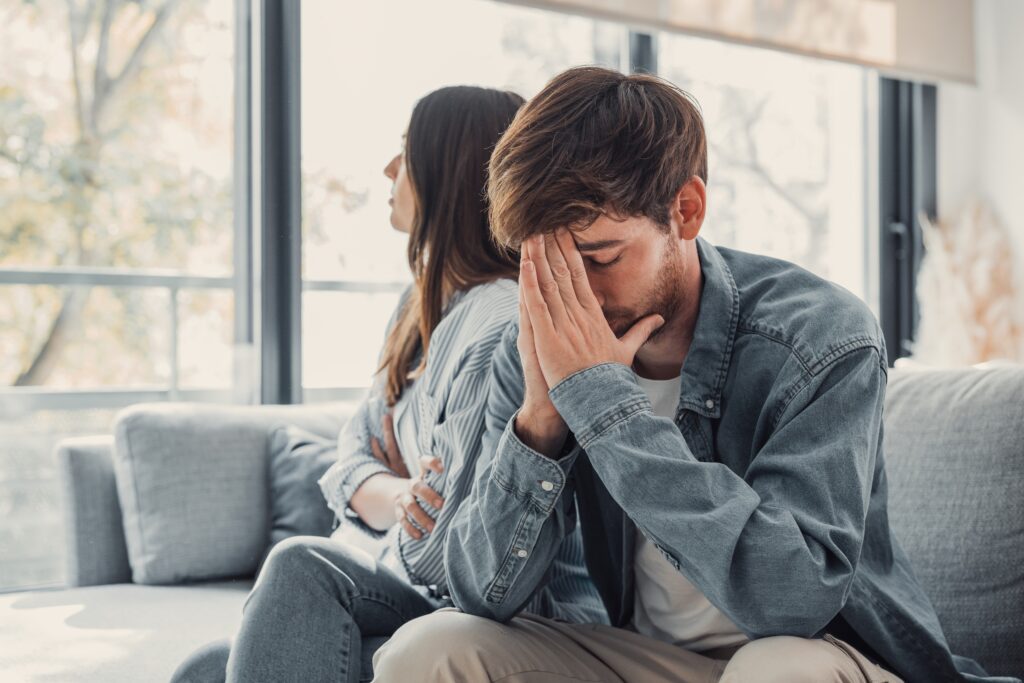
You wake up with a pounding heart. Your chest feels tight, and a sense of dread lingers as you start your day. Throughout the afternoon, you feel irritable, on edge, and unable to focus. For many people, these symptoms lead straight to a diagnosis of anxiety. They start therapy or medication, but relief never fully comes.
Why? Because the root cause might not be in their head—it might be in their throat.
At Best Sleep Today in Grapevine, TX, we often see patients who have spent years managing what they thought was purely a mental health issue, only to discover it was undiagnosed Obstructive Sleep Apnea (OSA). The connection between your sleep quality and your mental state is profound, and understanding it could be the key to getting your life back.
When Sleep Deprivation Looks Like Panic
Anxiety often mimics sleep apnea by causing shortness of breath, chest tightness, and disrupted sleep patterns, leading to confusion between psychological stress and physical breathing disorders
The symptoms of sleep apnea and anxiety overlap so significantly that they are often indistinguishable to the untrained eye. When you have sleep apnea, your airway collapses repeatedly during the night, cutting off oxygen. Your brain, sensing danger, jolts you awake just enough to gasp for air. This can happen hundreds of times a night.
This constant “fight or flight” activation floods your body with stress hormones like cortisol and adrenaline. Instead of resting and repairing, your body spends the night fighting for survival.
The result? You wake up with a racing heart and a sense of panic—classic symptoms of an anxiety attack. Throughout the day, the chronic sleep fragmentation leaves you irritable, unable to cope with stress, and feeling emotionally fragile. It isn’t just that you are tired; your nervous system is frayed.
Common Overlapping Symptoms:
- Racing heart or palpitations (especially upon waking)
- Irritability and short temper
- Difficulty concentrating (“brain fog”)
- Feelings of dread or impending doom
- Fatigue that coffee can’t fix
Treating the Source, Not Just the Symptom
Dr. Scott Mason has spent over three decades in dentistry, but his true passion lies in helping patients reclaim their quality of life through better sleep. He understands that treating sleep apnea isn’t just about stopping snoring; it is about restoring your overall health, including your mental well-being.
“We see patients who feel like they are losing control of their emotions,” says Dr. Mason. “When we treat their airway issues, it’s like a fog lifts. The anxiety diminishes because their body is finally getting the deep, restorative sleep it needs to regulate emotions.”
For many patients, the solution isn’t a CPAP machine they struggle to wear. Dr. Mason specializes in customized oral appliance therapy. These small, comfortable devices fit like a mouthguard and gently position the jaw to keep the airway open. It is a non-invasive solution that can have a massive impact on your mental clarity.
Prioritize Your Sleep Health Check
If you are treating anxiety but not seeing results, or if you snore and wake up feeling unrefreshed, it is time to look at your sleep. Ignoring sleep apnea doesn’t just leave you tired—it puts immense strain on your heart and your mind.
Don’t let a treatable sleep disorder masquerade as a mental health crisis. Visit Best Sleep Today in Grapevine to explore how Dr. Mason’s personalized treatment plans can help you breathe easier and live happier.
Best Sleep Today
801 W Wall St, Suite 100 Grapevine, TX 76051
Phone: 817-623-9699