

The Short Answer
If you woke up and discovered your iPhone had only 13% battery left because you forgot to plug it in overnight, you’d expect it to struggle throughout the day. The same thing happens when sleep apnea prevents your body from getting enough oxygen and restorative sleep. Instead of waking up fully recharged, your body starts the day in “low power mode,” leading to fatigue, brain fog, mood changes, and increased risks for serious health conditions.
Why the Phone Charger Analogy Makes Sense
Most people understand the frustration of a phone battery that’s nearly dead.
You wake up, unplug your phone, and see the battery sitting at 13%. Immediately, you’re making adjustments. You dim the screen. You avoid unnecessary apps. You worry about making it through the day.
Now imagine your body doing the same thing.
When you have untreated sleep apnea, your breathing repeatedly stops or becomes restricted during sleep. Every interruption reduces oxygen levels and disrupts the restorative sleep cycles your body depends on. Instead of spending the night recharging, your body spends the night fighting to breathe.
The result?
You wake up exhausted, drained, and frustrated despite spending eight hours in bed.
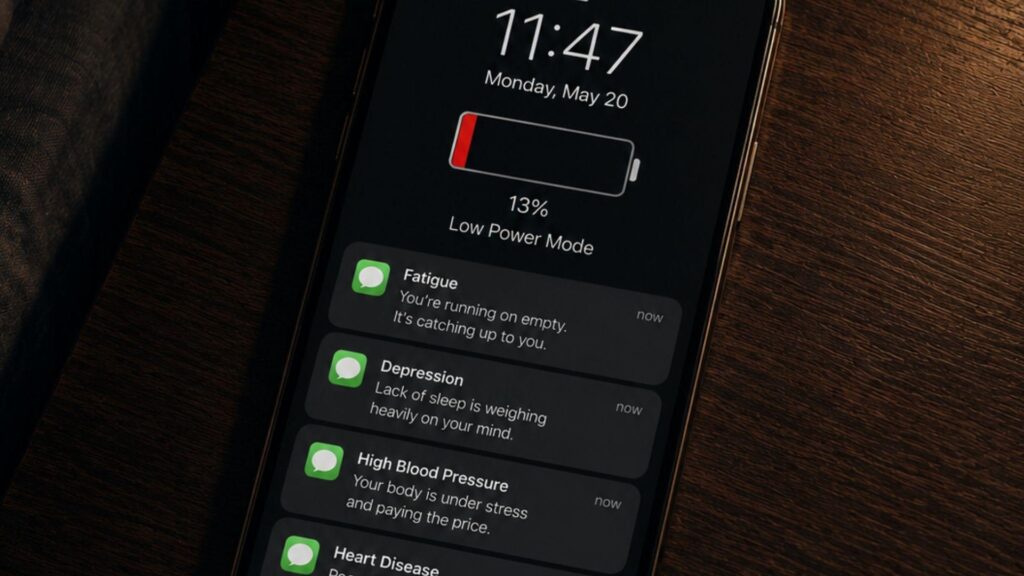
The “Notifications” Your Body Sends
When a phone battery gets low, it sends warnings.
When your body isn’t getting the sleep and oxygen it needs, it sends warnings too.
Notification #1: Snoring
You’ve probably dealt with snoring at some point in your life, but do you know why? Snoring is the body’s response to a collapsing airway. As your airway narrows, it becomes harder for oxygen to pass down the throat and to the lungs. The noise you hear is the air fighting to squeeze through the constricted airway!
As snoring becomes louder and more severe, it is often an indication of an extremely blocked/constricted airway – leading to…
Notification #2: Fatigue
The most common symptom of sleep apnea is excessive daytime sleepiness.
Many patients describe feeling tired no matter how much they sleep. Some need multiple cups of coffee just to function. Others find themselves dozing off during meetings, while watching television, or even while driving.
Your body is essentially telling you:
“Battery critically low.”
Notification #3: Depression and Mood Changes
Sleep is essential for emotional regulation.
When sleep quality suffers, many people experience:
- Irritability
- Anxiety
- Depression
- Increased stress
- Reduced patience
Patients often assume these symptoms are simply part of getting older or dealing with a busy lifestyle. In reality, poor sleep can have a profound impact on mental health.
Notification #4: High Blood Pressure
Sleep apnea doesn’t just affect how you feel—it affects how your body functions.
Each breathing interruption triggers a stress response. Your heart works harder, your blood vessels constrict, and your blood pressure rises.
Over time, untreated sleep apnea is strongly associated with hypertension that may be difficult to control with medication alone.
Notification #5: Heart Disease
One of the most serious consequences of untreated sleep apnea is increased cardiovascular risk.
Research has linked sleep apnea to:
- Heart disease
- Heart attacks
- Stroke
- Atrial fibrillation
- Heart failure
Think of it as forcing your body’s engine to run under stress every night for years.
Eventually, the wear and tear adds up.
But that’s not all…other signs like weight gain, grinding your teeth, acid reflux, dementia, and more are extremely common with untreated sleep apnea.
Why Veterans and First Responders Are Especially Vulnerable
We often use this charger analogy when speaking with veterans, law enforcement officers, firefighters, EMTs, and other first responders.
These professionals understand performance.
Their jobs require:
- Quick decision-making
- Situational awareness
- Emotional control
- Physical stamina
When sleep apnea leaves the body operating in “low power mode,” performance suffers in ways that can impact both personal health and professional effectiveness.
Many veterans and first responders assume exhaustion is simply part of the job. In many cases, an undiagnosed sleep disorder may be contributing to the problem.
What Happens When Sleep Apnea Is Treated?
Imagine plugging that phone in overnight and waking up to a fully charged battery.
That’s the goal of sleep apnea treatment.
When breathing interruptions are reduced or eliminated, patients often report:
- Better energy
- Improved concentration
- Fewer morning headaches
- Better mood
- Improved quality of life
- Better long-term health outcomes
Many patients tell us they forgot what it felt like to wake up refreshed.
Alternatives to CPAP
Many people assume CPAP is their only option.
While CPAP remains highly effective, it is not the only treatment available.
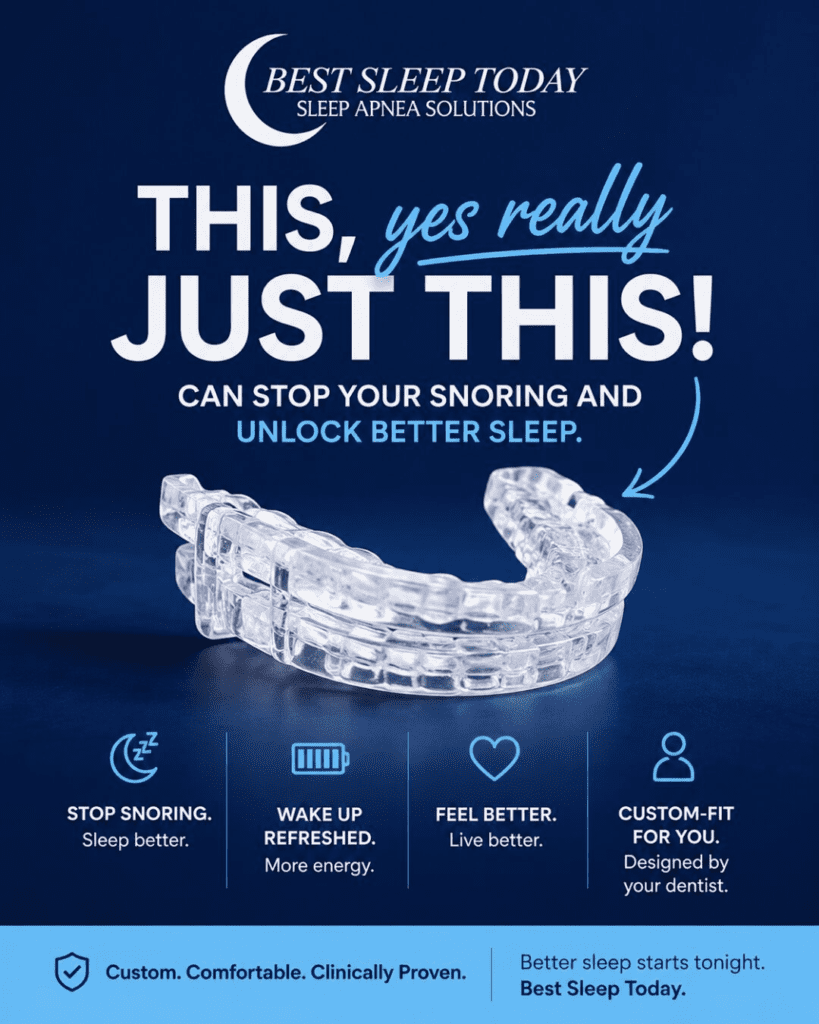
Custom oral appliance therapy is an alternative for many patients with mild to moderate obstructive sleep apnea and for some patients who cannot tolerate CPAP.
These appliances are custom-made by trained dental professionals and work by helping maintain an open airway during sleep.
How We Help Patients in Grapevine and the Dallas-Fort Worth Area
At Best Sleep Today, we help patients identify and treat sleep-disordered breathing through comprehensive evaluations and personalized treatment plans.
If you’re waking up exhausted, snoring heavily, experiencing daytime fatigue, or struggling with CPAP compliance, an evaluation may help determine whether sleep apnea is contributing to your symptoms.
Our goal is simple:
Help you stop operating in low power mode.
Frequently Asked Questions
Can sleep apnea make you feel tired even after eight hours of sleep?
Yes. Sleep apnea repeatedly disrupts sleep cycles and reduces oxygen levels, preventing restorative sleep even when you spend enough time in bed.
Is sleep apnea linked to depression?
Research has found strong associations between sleep apnea and symptoms of depression, anxiety, irritability, and mood disturbances.
Can sleep apnea cause high blood pressure?
Sleep apnea is a recognized risk factor for hypertension and can make blood pressure more difficult to manage.
Do all sleep apnea patients need CPAP?
No. Depending on severity and individual circumstances, treatment options may include CPAP, oral appliance therapy, weight management, positional therapy, or other interventions.
What are the signs that I should get tested for sleep apnea?
Common signs include loud snoring, witnessed breathing pauses, gasping during sleep, morning headaches, daytime fatigue, difficulty concentrating, and high blood pressure.
The Bottom Line
If you wouldn’t expect your phone to function all day after leaving it unplugged overnight, don’t expect your body to perform at its best without quality sleep.
Fatigue, depression, high blood pressure, and heart disease may be more than isolated problems—they may be notifications warning you that your body’s battery never fully recharged.
The good news is that help is available, and better sleep can change far more than how you feel in the morning.